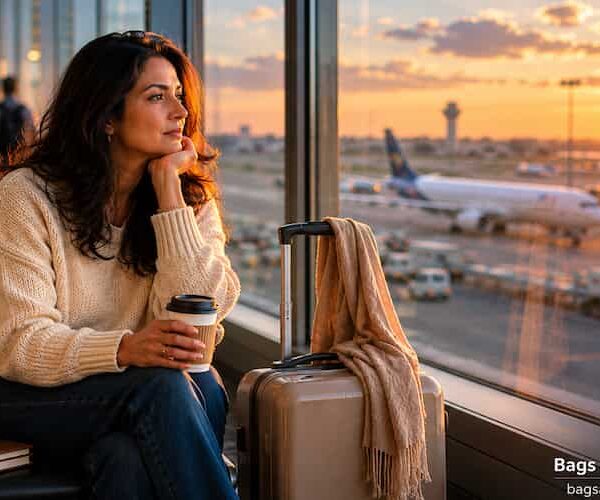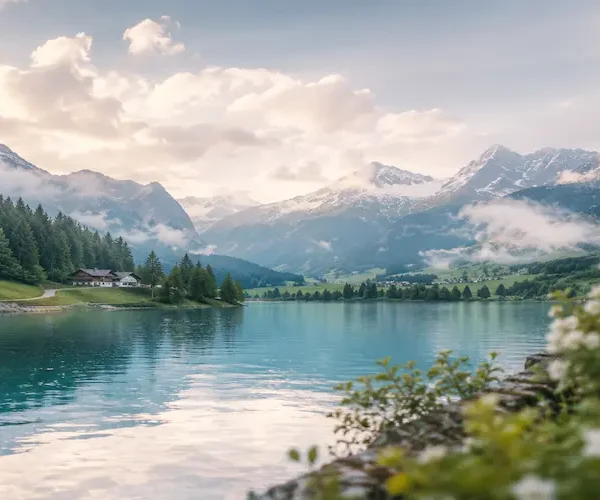

Yes, travel can help you heal after a difficult year by creating emotional space, reducing mental exhaustion, and allowing you to reconnect with yourself. While a journey cannot erase painful experiences, stepping into a new environment can help you process emotions, gain perspective, and create meaningful memories beyond a difficult chapter.
Sometimes healing does not begin when everything becomes perfect. It begins when you allow yourself a moment to pause, experience something new, and remember that your life still has beautiful possibilities ahead.
For many women, travel also becomes a way to create a new chapter after years of responsibilities and caring for others. Experiences like solo travel for women over 40 show how exploring the world alone can bring confidence, freedom, and personal growth at any stage of life.
At a Glance
- Travel can support emotional recovery by breaking repetitive routines and thought patterns.
- New environments can provide a fresh perspective and emotional clarity.
- Healing travel is about reflection and reconnection, not escaping problems.
- Nature, solo journeys, and mindful experiences can support emotional wellbeing.
- A meaningful trip is defined by how it makes you feel, not only by the places you visit.
Can Travel Help You Heal After a Difficult Year? Understanding the Emotional Healing Power of Travel
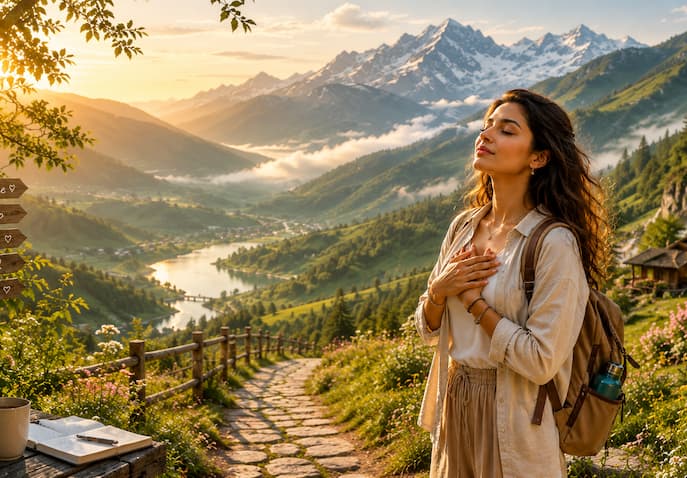
New places can help you heal and rediscover yourself.
A difficult year can leave emotional weight that is not always visible from the outside. Heartbreak, burnout, major life changes, personal struggles, or feeling stuck in the same routine can slowly disconnect you from yourself.
During these phases, the mind often stays trapped in repetitive thoughts. You may keep revisiting the past, questioning decisions, or feeling like life has become predictable.
Travel can create a shift by introducing your mind to something different. New surroundings, unfamiliar experiences, and moments of curiosity can help you step outside the emotional patterns that feel difficult to break.
The healing power of travel does not come from running away from problems. It comes from creating enough distance to understand yourself better.
A new place cannot change what happened, but it can change the way you look at your story.
Why Changing Your Environment Can Change Your Perspective?
When you spend a long time in the same environment, your surroundings often become connected with your emotions. The same routines, responsibilities, and familiar spaces can keep your mind focused on the same thoughts.
Travel interrupts that cycle.
A different environment encourages you to become present again. Instead of thinking only about what happened yesterday or worrying about tomorrow, you start noticing what is happening around you.
A sunrise in a new destination, a quiet walk through an unfamiliar street, or sitting beside the ocean can create moments where your mind finally slows down.
Travel can help you:
- Break repetitive thinking patterns
- Experience small moments of happiness again
- Build confidence through new experiences
- Feel more connected with yourself
- See your situation from a wider perspective
Sometimes you do not need to completely change your life. Sometimes you need a new environment that reminds you who you are.
If peaceful surroundings and nature-based experiences interest you, explore rainy destinations that feel like emotional healing spaces where slow travel and calming landscapes create space for reflection.
My Personal Healing Journey: How Andaman Helped Me Rediscover Myself
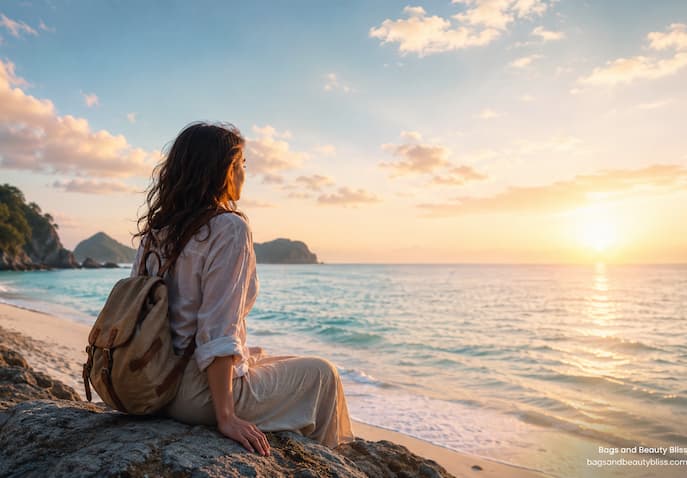
During my Andaman journey, the ocean reminded me that healing begins when we give ourselves space to feel, explore, and start again.
After a heartbreak, I realized something important — healing does not always begin with finding answers. Sometimes it begins with giving yourself space to feel, explore, and reconnect with who you are.
Travel can become a powerful way to process emotions and rebuild confidence after difficult life changes. I experienced this personally, and my journey taught me how solo travel after heartbreak can create space for healing, self-reflection, and a fresh perspective on life.
That is when I travelled to the Andaman and Nicobar Islands.
This journey was not just a vacation. It became a reminder that there was still so much beauty waiting to be experienced.
I explored the underwater world through scuba diving and sea walking, spent peaceful moments near the beach, and allowed myself to enjoy the present without constantly thinking about the past.
The ocean taught me something deeply personal.
The depth of the sea reflects the importance of understanding our own depth.
Just like the ocean holds countless layers beneath the surface, we also carry emotions, strengths, dreams, and qualities that we sometimes forget during difficult phases.
After emotional pain, it is easy to focus on what we lost. We forget to notice what still exists within us — our courage, curiosity, and ability to experience happiness again.
The sea reminded me that life has many shades. A difficult chapter may change us, but it does not have to define us.
One of the most unforgettable moments of that journey was watching sunsets.
A sunset may look like an ending, but nature teaches us a beautiful lesson — every sunset is followed by a sunrise.
The sky becomes dark for a while, but the light always returns.
Life can feel the same after a difficult year. A painful experience may feel like the end of something, but it can also become the beginning of new confidence, new dreams, and a stronger understanding of yourself.
The Andaman journey reminded me that endings are often transitions. They create space for a new version of yourself to emerge.
How Travel Supports Emotional Healing After Stress or Life Changes?
1. Travel Creates Emotional Distance
Stepping away from your regular environment gives your mind a break from constant reminders of stress. Even a short journey can help you reset because you are temporarily removed from the same patterns and pressures.
This distance allows you to observe your thoughts with more clarity instead of feeling overwhelmed by them.
A change of scenery can create the emotional space needed to process what you have been carrying for a long time. For many women, joining a women-only travel retreat can offer a supportive environment where they can reconnect with themselves, meet like-minded travelers, and experience personal growth through meaningful journeys.
2. New Experiences Rebuild Confidence
Travel naturally pushes you outside your comfort zone. Navigating a new city, trying unfamiliar activities, or making decisions independently reminds you that you are capable.
These small moments build self-trust.
Someone who learns to confidently explore a new destination often returns home with a stronger belief in their own abilities.
3. Travel Helps Create New Emotional Memories
A difficult experience can become part of your story, but it does not need to become your entire identity.
New journeys allow you to create memories connected with growth, discovery, and happiness.
A beautiful view, a meaningful conversation, or a moment when you feel like yourself again can remind you that life continues beyond difficult chapters.
4. Nature Supports Emotional Wellbeing
Natural environments have a calming effect because they encourage you to slow down and become present.
Beaches, mountains, forests, and open landscapes create peaceful moments away from everyday noise.
Many travelers find emotional comfort in nature-based journeys because these experiences allow time for reflection.
You can read more about this connection through nature therapy travel and how peaceful landscapes support emotional wellbeing.
5. Solo Travel and Emotional Transformation
Solo travel is one of the most powerful forms of meaningful travel because it creates a deeper connection with yourself. When you travel alone, you are not only exploring a new destination — you are learning to trust your own choices, instincts, and decisions.
For many people, solo journeys become especially meaningful after emotional changes. A period of heartbreak, personal transition, or feeling disconnected from yourself can create a desire to rediscover who you are beyond your circumstances.
When you travel alone, you experience moments that belong completely to you. You decide where to go, what to explore, when to rest, and what experiences feel meaningful.
These small choices rebuild confidence.
You learn that you can handle unfamiliar situations, solve problems, and enjoy your own company. Over time, these experiences create a stronger sense of independence and self-trust.
Solo travel is not about proving that you do not need anyone. It is about realizing that your own presence can also be enough.
Healing Travel vs Regular Travel: What Makes a Journey Meaningful?
Not every trip creates the same emotional impact.
A regular vacation may focus on sightseeing, activities, and visiting as many places as possible. A healing journey focuses more on how the experience makes you feel and what you discover about yourself along the way.
| Regular Travel | Healing Travel |
| Focuses only on destinations | Focuses on emotional experiences |
| Often follows a busy schedule | Allows time to slow down |
| Measures success by places visited | Measures success by memories and feelings |
| Can feel rushed | Feels intentional |
| Focuses on external exploration | Encourages inner reflection |
Healing travel does not mean every moment needs to be quiet or peaceful. Sometimes growth comes from trying something unfamiliar, meeting new people, and stepping outside your comfort zone.
The difference is intention.
A meaningful journey allows you to be present instead of simply collecting experiences.
Best Types of Healing Trips After a Difficult Year
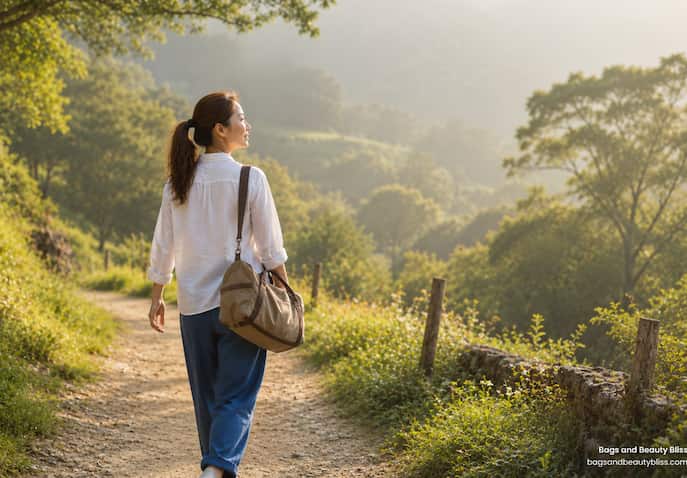
A peaceful nature walk can create space for reflection, calmness, and reconnecting with yourself.
The right healing trip depends on what you need emotionally at that moment.
Some people need adventure after a difficult phase. Others need silence, nature, or time away from daily responsibilities.
The goal is not to find the “perfect destination.” It is to choose an experience that supports your emotional well-being.
1. Nature Escapes
Nature-based trips are ideal when you need calmness and mental clarity.
Mountains, beaches, forests, and peaceful landscapes can create space for reflection. Being surrounded by nature often helps people slow down and reconnect with the present moment.
Spending time under open skies can be a deeply calming experience, and destinations known for breathtaking night skies offer a unique way to reconnect with nature. Exploring some of the best stargazing places in the world can turn a simple getaway into a peaceful moment of reflection and wonder.
A quiet morning near the ocean or a peaceful walk through a forest can sometimes feel more restorative than a packed itinerary.
2. Solo Travel Experiences
Solo journeys allow you to reconnect with your own preferences and choices.
They encourage:
- Confidence
- Independence
- Self-reflection
- Personal growth
Traveling alone can remind you that you are capable of creating beautiful experiences for yourself.
3. Wellness Travel
Wellness journeys combine travel with intentional self-care.
These experiences often include:
- Yoga
- Meditation
- Spa treatments
- Mindful activities
- Healthy routines
The focus is not just visiting a place but returning home feeling refreshed.
4. Cultural Exploration
Exploring different cultures can expand your perspective.
Trying local food, learning traditions, and understanding different ways of living can remind you that the world is full of possibilities.
Sometimes seeing how others experience life helps you look at your own journey differently.
Healing Travel Ideas: Destinations, Duration & Budget
| Destination | Ideal Duration | Approximate Budget | Emotional Benefit |
| Andaman Islands, India | 5–7 days | $300–$900 | Ocean experiences, peace, relaxation |
| Bali, Indonesia | 5–7 days | $700–$1500 | Wellness, nature, slow living |
| Kerala, India | 4–6 days | $300–$800 | Ayurveda, backwaters, calm surroundings |
| Swiss Alps | 6–8 days | $1500–$3000 | Mountains, peaceful landscapes |
| Iceland | 7–10 days | $1800–$3500 | Nature, solitude, reflection |
Budgets are approximate and depend on travel season, flights, accommodation, and personal travel style.
A healing trip does not always need to be expensive or far away.
Sometimes a nearby destination, a weekend escape, or even spending time in a peaceful place close to home can create the emotional reset you need.
The meaning you create during the journey matters more than the distance you travel.
How to Plan a Meaningful Healing Trip?
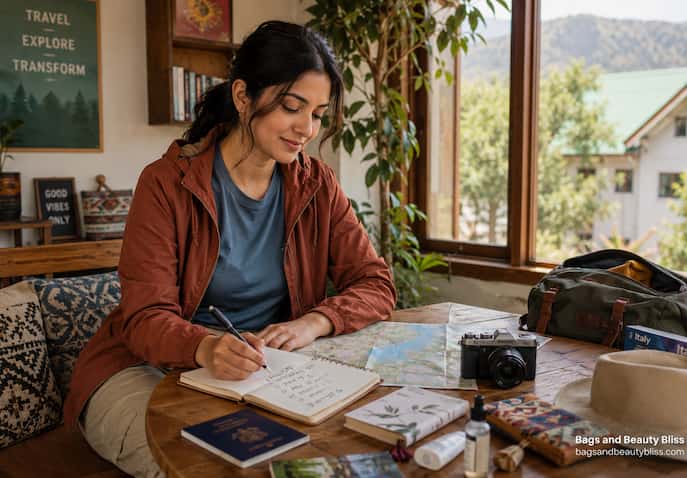
A meaningful healing trip begins with intention — planning slowly, reflecting deeply, and creating space for yourself.
A healing journey begins with understanding what you need, not with creating a perfect itinerary.
Before choosing a destination, ask yourself:
What do I need emotionally right now? Do I need:
- Rest?
- Inspiration?
- Adventure?
- Time alone?
Once you understand your intention, planning becomes easier.
A meaningful healing trip often includes:
1. Slow Mornings
Instead of rushing from one attraction to another, allow yourself time to enjoy your surroundings.
A quiet breakfast, a peaceful walk, or watching the sunrise can become some of the most memorable moments.
2. Mindful Experiences
Pay attention to small details.
The sound of nature.
The local culture.
The feeling of discovering something new.
These moments create a deeper connection with your journey.
3. Journaling
Writing while traveling can help you understand your thoughts and emotions.
Many people find that being away from daily distractions helps them see situations more clearly.
4. Less Pressure
A healing trip does not need to be perfectly planned.
Leave space for unexpected moments.
Sometimes the best memories happen when you allow yourself to slow down.
Free Healing Travel Planner
Planning a meaningful journey becomes easier when you understand your emotions and intentions before you travel.
A Healing Travel Planner can help you:
- Identify what you need from your journey
- Choose the right travel style
- Create mindful travel goals
- Reflect on your experiences
- Capture personal growth after the trip
A journey becomes more powerful when it helps you reconnect with yourself.
Travel is not only about discovering new places.
It is also about rediscovering the person you are becoming.
Your Next Chapter Can Begin Anywhere: How Travel Helps You Heal
Can travel help you heal after a difficult year?
It can become a meaningful step toward reconnecting with yourself, discovering new perspectives, and creating memories beyond a challenging chapter.
Travel does not change the past, but it can change how you carry it.
Sometimes healing happens during quiet moments — watching a sunrise, walking beside the ocean, exploring a new place, or realizing that you can still feel excitement about life.
The most powerful destination is not always somewhere on a map.
Sometimes it is the stronger, calmer, and more confident version of yourself that you discover along the way.
Frequently Asked Questions
1. Can travel really help you heal after a difficult year?
Yes, travel can support emotional healing by reducing stress, creating new experiences, and offering a fresh perspective. It does not erase difficult experiences, but it can create space for reflection and growth.
2. Is solo travel good for emotional recovery?
Solo travel can help rebuild confidence and independence by allowing you to spend intentional time with yourself and make choices based on your own interests.
3. What type of travel is best for healing?
Nature escapes, solo journeys, wellness retreats, and slow travel experiences are often meaningful choices because they encourage relaxation and self-reflection.
4. How long should a healing trip be?
There is no fixed duration. Even a short journey can feel restorative if it allows you to slow down and experience something meaningful.
5. Does travel fix emotional pain?
No, travel does not fix or erase emotional pain. However, it can support healing by creating new memories, encouraging reflection, and helping you reconnect with yourself.