Updated on: May 16, 2026
Nature Therapy Travel: Quick Healing Guide
Nature therapy travel combines wellness, mindfulness, and nature immersion to reduce stress and improve emotional balance. This guide covers the science behind ecotherapy, the best wellness destinations worldwide, forest bathing tips, travel-friendly healing practices, and practical packing ideas for mindful travelers seeking deeper connection through nature.
Nature Therapy & Ecotherapy: The Ultimate Self-Care + Travel Ritual
Ever returned from a vacation and still felt mentally exhausted? Nature therapy travel flips traditional travel upside down. Instead of rushing between attractions, it helps you slow down, breathe deeper, and return feeling lighter.
Nature therapy, also known as ecotherapy, is a wellness practice that uses forests, rivers, mountains, gardens, and other natural spaces to reduce stress. It also improves emotional well-being and helps people reconnect with themselves.
Travelers who enjoy peaceful healing journeys may also love exploring these lesser-known travel places worldwide, away from heavy tourist crowds.
In this guide, you’ll learn how nature therapy works, its mental health benefits, the best ecotherapy destinations worldwide, and simple ways to practice healing through nature while traveling.
What Exactly is Nature Therapy?
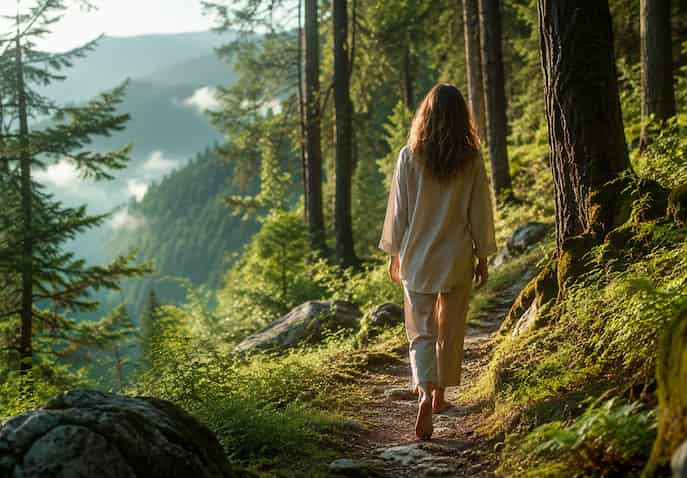
Nature therapy, also called ecotherapy or green therapy, is more than just a walk in the park. It’s an intentional way of connecting with the outdoors to heal your body, mind, and spirit. Grounded in the principle of biophilia—the human need to connect with life—it reminds us that we are not separate from nature but part of it.
Ecotherapy can also feel surprisingly intimate for couples. Simple moments like sharing tea during a rainy mountain evening, walking silently beside a lake, or watching sunrise without checking phones often create a deeper connection than packed sightseeing schedules.
Whether you’re walking barefoot on Himachal’s meadows, meditating by the Ganga in Rishikesh, or sketching in New York’s Central Park, nature-based therapy offers a universal way to reset.
Eco Therapy: The Science of Healing Through Nature
The science behind nature therapy shows that spending time in natural environments can lower cortisol levels, reduce mental fatigue, and support emotional regulation. Even simple activities like walking near trees or listening to flowing water can calm the nervous system in ways that feel similar to taking a mental “reset break” from constant notifications and screen exposure.
Research across Japan, Europe, and the US proves that forest bathing retreats worldwide don’t just feel good—they create measurable health benefits:
1. Stress & Cortisol
Spending time in forests significantly lowers cortisol, calming the nervous system and shifting the body into a relaxed state.
2. Boosts Immunity
Trees release phytoncides, which increase our natural killer (NK) cells, strengthening immune defenses.
If you find peace in silence, you may also enjoy these best places for stargazing in the world, where dark skies and quiet landscapes become part of the healing experience.
3. Improves Mental Clarity & Creativity
The “soft fascination” of birdsong, rivers, and skies recharges cognitive energy, making travelers feel sharper and inspired.
4. Natural Mood Stabilizer
Green spaces consistently reduce anxiety and depression, creating emotional resilience.
Your Practical Guide to Nature Therapy
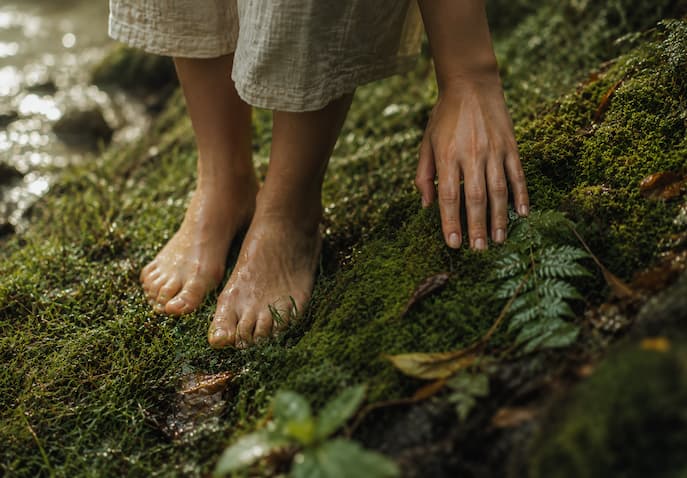
Healing doesn’t require a flight to the Amazon (though that helps!). These techniques can be practiced anywhere, and science backs their benefits.
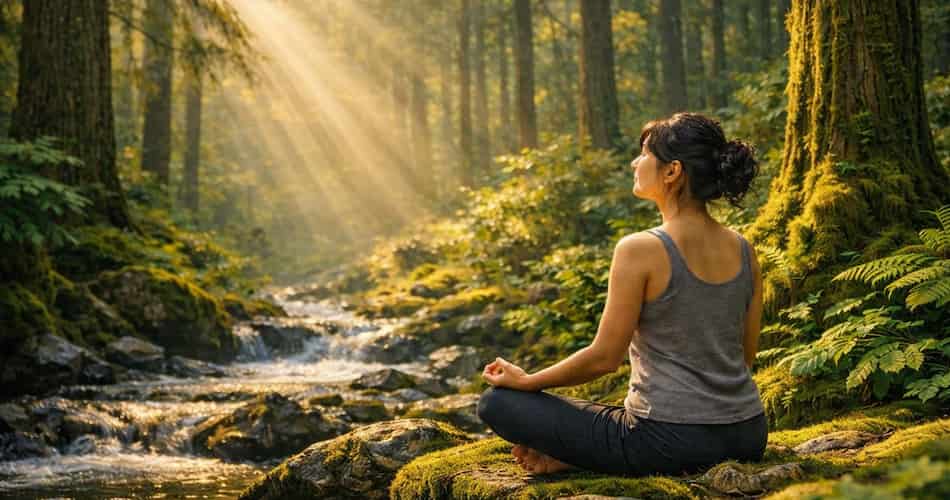
- Forest Bathing (Shinrin-Yoku)
Mindful, sensory immersion in a forest. According to a 2023 Japanese study, participants in Shinrin-yoku reported a 15% drop in cortisol in just 20 minutes. - Grounding (Earthing)
Walking barefoot on natural ground to reduce inflammation and improve sleep. According to a 2022 study in the Journal of Environmental and Public Health, participants who practiced earthing for just 1 hour daily reported a 21% improvement in sleep quality within two weeks. - Nature Meditation
Practicing mindfulness outdoors for deeper calm. A 2021 Stanford University study found that 90 minutes of nature meditation reduced rumination activity in the brain, directly linked with lower risks of depression. - Gardening Therapy
With soil and cycles of life, even balcony gardening counts. The American Horticultural Therapy Association notes that regular gardening can lower stress hormones by up to 12% while improving mood and social connectedness. - Animal-Assisted Therapy
Riding horses, bird watching, or simply observing wildlife. A 2023 European review found that equine therapy improved emotional regulation in 76% of participants coping with anxiety and trauma. - Adventure Therapy
Rock climbing, kayaking, or trekking to build resilience. According to a National Outdoor Leadership School (NOLS) survey, 83% of adventure therapy participants reported higher self-confidence and reduced stress after multi-day wilderness programs. - Digital Detox Retreats
Combine screen-free living with green living. Research from the University of Essex (2022) revealed that a 72-hour digital detox in natural environments led to a 30% rise in life satisfaction scores among participants. - Mindful Walking or Running
Treat exercise as meditation in motion. Harvard researchers in 2021 found that mindful walking in green spaces reduced cortisol levels by 12% more than indoor treadmill walking. - Nature Journaling & Sketching
Reflecting on your surroundings through art or words. A 2020 UK study showed that expressive writing and sketching outdoors improved creativity scores by 28% compared to indoor journaling. - Blue Mind Practices
Healing near oceans, lakes, and rivers. Marine Biologist Wallace J. Nichols’ “Blue Mind” research shows proximity to water reduces stress and boosts happiness hormones like dopamine and serotonin by up to 25%.
My Experience of Nature Therapy
My experience with nature therapy began during a quiet mountain stay in Himachal, when I realized how mentally exhausted I had become without even noticing it. I remember sitting near cedar trees one cold morning with no music, no scrolling, and no urgency to “do” anything. Within a day, my breathing felt slower, my sleep improved, and even small worries felt less overwhelming. It reminded me of how calm childhood evenings used to feel before phones constantly filled every silent moment.
I didn’t expect silence to feel so emotional. But somewhere between cedar trees and cold mountain air, I realized how noisy life had quietly become. Travel changed the way I heal emotionally, too. If self-growth and slow healing resonate with you, you may enjoy reading how travel became part of my journey after heartbreak.
That trip changed the way I travel. Instead of planning packed itineraries, I now intentionally look for slower experiences—forest walks, lakeside cafés, sunrise viewpoints, eco-stays, and quiet places where I can simply pause. Nature therapy didn’t magically fix life, but it helped me feel emotionally lighter and more connected to myself again.
Global and Local Guide to Ecotherapy
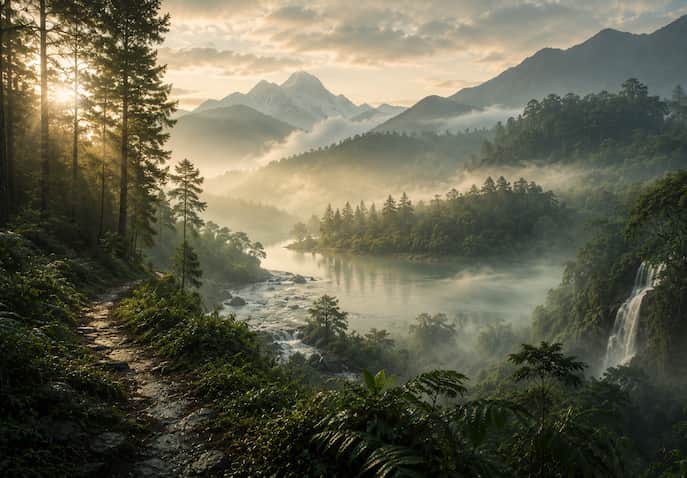
Travelers worldwide are now adding wellness destinations in India/Europe/Asia to their bucket lists. What was once a niche activity has now become a mainstream part of travel planning. Resorts, eco-lodges, and even urban hotels are weaving in ecotherapy practices because modern travelers don’t just want sightseeing—they want soul-sightseeing.
Healing journeys look different for everyone. While some reconnect through forests and eco-retreats, others find clarity through solo experiences. For many women, intentional solo travel becomes a powerful form of self-discovery and emotional reset. Travelers seeking slower, more meaningful journeys may also enjoy exploring these solo travel ideas for women over 40.
Here’s a detailed nature therapy travel guide to help you decide where to go, what to expect, and how to plan. These nature therapy destinations worldwide cover seasons, budgets, and eco-stay options so you can plan your wellness travel with ease.
| Countries | Experiences | Best Season | Best For | Eco-Stays | Budget (per night) |
| India | Himalayan forest walks, Ganga river meditation, yoga + Ayurveda | October – March | Spiritual wellness seekers, yoga lovers | Rishikesh eco-ashrams, Himachal cedar forest lodges | ₹2,000–₹8,000 |
| Japan | Authentic Shinrin-Yoku (forest bathing), tea rituals, meditation | Spring (sakura) & Autumn (maple leaves) | Cultural travelers, forest bathing purists | Akasawa Forest lodges, Yakushima eco-inns | $150–$400 |
| Costa Rica | Rainforest therapy, canopy walks, birdwatching | December – April (dry season) | Eco-adventure seekers, jungle therapy explorers | Monteverde Cloud Forest eco-lodges, Osa Peninsula retreats | $120–$350 |
| New Zealand | Fjord trekking, geothermal hot springs, Maori healing traditions | November – February (summer) | Adventure + wellness fusion travelers | Rotorua spa eco-stays, Fiordland wellness tours | $150–$400 |
| Europe | Scandinavian “friluftsliv” lifestyle, alpine therapy, lake retreats | Summer for hiking, winter for snow therapy | Nature lovers, alpine wellness seekers | Norwegian forest cabins, Swiss alpine chalets | €80–€400 |
| North America | National park ecotherapy, canoe meditation, wilderness retreats | Spring – Fall (varies by park) | Families, solo travelers, mindfulness groups | California Redwood lodges, Canada’s Algonquin eco-camps | $80–$200 |
| Urban Cities | Rooftop gardens, mindfulness parks, guided city ecotherapy walks | Year-round | Busy travelers, city wellness seekers | London therapy gardens, NYC mindfulness tours, Delhi eco-retreats | $50–$150 per day experiences |
Each destination offers its own rhythm of healing. Whether you want the silence of a snowy mountain or the sensory richness of a rainforest, ecotherapy travel proves that wellness destinations worldwide can be as diverse as your own personal needs.
Pro Tip: Always align your wellness travel with both the season and your healing goals. For cultural immersion, choose Japan in spring. For adventure + therapy, Costa Rica’s dry season is ideal. For spiritual balance, India’s Himalayas remain timeless.
Wellness + Travel: Planning a Nature Therapy Trip
Nature therapy is most effective when woven into travel. Here’s how to plan:
A regular vacation might recharge you, but a wellness-focused journey allows you to intentionally reconnect with yourself and your surroundings. Many travelers now design their itineraries around mindful outdoor experiences, combining eco-healing with exploration. To make your trip both rejuvenating and practical, here are a few things to keep in mind.
Some travelers seek healing in the silence of cedar forests, while others feel restored by the sound of rainforest birds after heavy city noise. A quiet lakeside sunrise in Europe may feel calming to one person, while someone else may reconnect emotionally during a misty Himalayan walk with cold mountain air brushing against their face. That’s what makes ecotherapy travel deeply personal — every destination carries a different rhythm of healing.
Best Seasons for Forest Bathing
- Europe
Summer is ideal for alpine trails in Switzerland, Austria, and Scandinavia, where the wellness travel 2025-2026 trend is booming. For those who prefer silence and solitude, winter offers snow therapy—mindful walks in white landscapes, where stillness itself becomes medicine. Snow-covered alpine trails, quiet lake mornings, and pine forests wrapped in fog create a slower rhythm that many wellness travelers now seek, rather than crowded tourist itineraries.
Travelers seeking intentional healing experiences may also enjoy these women-only travel retreats centered on mindfulness and self-care.
2. Himalayas
October–March is the best time to explore the mountains, when the air is crisp, and the valleys are lush with greenery. Snow-dusted peaks and cedar forests create the perfect backdrop for nature therapy travel. Many yoga and ecotherapy retreats in Himachal and Uttarakhand align their programs with these months for maximum healing impact.
Early mornings in the Himalayas often begin with crisp mountain air, temple bells echoing softly in the distance, and mist moving through cedar trees before the valleys fully wake up.
3. Japan
Spring, with its iconic sakura (cherry blossoms), and autumn, with golden maple leaves, are considered the peak seasons for forest bathing retreats worldwide. These times allow you to immerse yourself in Shinrin-Yoku while also experiencing Japan’s seasonal festivals, which celebrate the harmony between humans and nature.
During spring, soft cherry blossom petals drift through forest pathways, while autumn fills the air with the earthy scent of maple leaves and rain-soaked wood. Even slow walks begin to feel meditative in Japan’s quiet forest bathing trails.
4. Costa Rica
December to April is the dry season, making jungle treks safer and more accessible. Rainforest therapy here combines birdwatching, river meditation, and eco-lodges designed for sustainable living. Pairing your therapy with an eco-adventure like ziplining or night jungle walks makes the experience unforgettable.
In Costa Rica, nature rarely feels silent. You hear rainfall in the distance, tropical birds above the trees, and rivers moving through dense greenery almost everywhere you go. The sensory richness itself becomes part of the therapy experience.
When planning, align your journey not just with the weather but with the kind of energy you want—vibrant and alive, or calm and introspective.
If you’re traveling across changing climates, following a travel-friendly skincare routine for every weather condition can help keep your skin balanced during long wellness trips.
What to Pack for an Eco Therapy Trip?
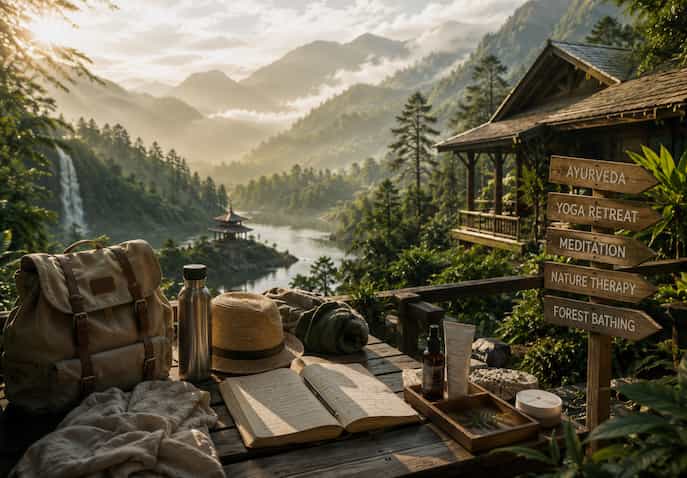
These lightweight wellness essentials can make your nature therapy trip more comfortable, mindful, and travel-friendly without overpacking. Here are some of the essentials that you should pack for an ecotherapy trip –
What to Pack
- Breathable cotton/linen clothes
- Reusable insulated water bottle
- Lightweight hiking shoes
- Journal and pen for reflections
- Portable tea infuser
- Travel yoga mat
- Noise-canceling earbuds for meditation
Travel-Friendly Beauty Essentials
- SPF + tinted moisturizer (sun and glow in one)
- Eco-friendly skincare (SPF, hydrating mist, insect repellent)
- Hydrating face mist for treks
- Compact lip balm + cheek tint
- Biodegradable wet wipes for freshness
- Leave-in conditioner to combat outdoor dryness
If you prefer packing light, my complete guide to carry-on beauty essentials can help you build a compact travel kit without sacrificing skincare, comfort, or glow.
Final Thoughts: Your Passport to Inner Balance
Simply put, nature therapy travel is more than a wellness trend—it’s a slower, more intentional way of reconnecting with your mind, body, and surroundings. Whether it’s a forest bathing retreat in Japan, a quiet Himalayan sunrise, or simply walking barefoot on wet grass, healing through nature often begins with small moments of presence.
In a world filled with noise and constant stimulation, ecotherapy reminds us that sometimes the most powerful reset is simply stepping outside and allowing nature to quiet the mind.
Step outside. Breathe deeply. Let nature be your co-therapist.
FAQs About Nature Therapy
1. What is nature-based therapy?
It’s a structured way of using natural environments and activities to improve physical and mental health. Today, many travelers experience it through nature therapy retreats and ecotherapy travel programs around the world.
2. What are the benefits of ecotherapy?
It reduces stress, boosts immunity, improves focus, and supports emotional stability. For many, these benefits are the main reason they choose healing travel experiences over regular vacations.
3. How does a nature therapy travel guide differ from regular travel tips?
It blends wellness, mindfulness, and eco-healing—helping you design trips for balance, not just sightseeing. Unlike a typical holiday, nature therapy retreats create intentional, transformative healing travel experiences.
4. Can I practice forest bathing retreats worldwide without a guide
Yes. While guided walks add depth, mindful self-practice in any forest or park also works. Independent travelers often design their own ecotherapy travel itineraries.
5. What are the best wellness destinations in India/Europe/Asia for 2025–26?
These are among the top global spots for eco-wellness tourism.
- India: Rishikesh & Himachal
- Europe: UK retreats, Scandinavian eco-lodges
- Asia: Japan’s Shinrin-yoku forests