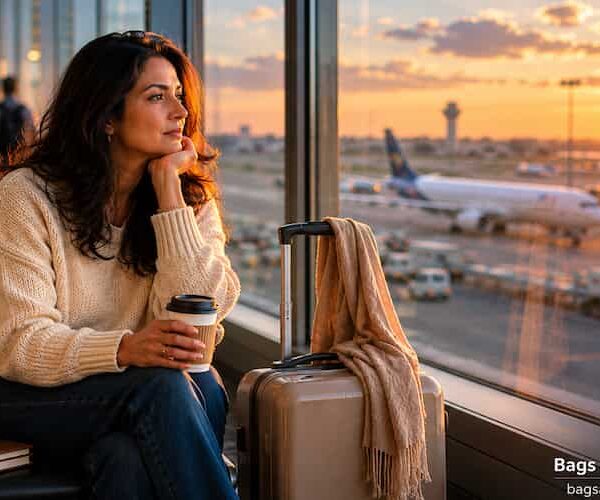
The best trips for emotional healing give you space to rest, reflect, reconnect, and return feeling more like yourself. The right journey cannot erase heartbreak, burnout, grief, or emotional exhaustion; it can, however, give you distance from familiar routines and room to breathe. For those navigating heartbreak, a thoughtful solo trip after a breakup can offer valuable space for reflection and renewal. From peaceful nature escapes and solo journeys to wellness retreats and slow travel, this guide helps you choose a restorative trip based on what you actually need right now.
At a Glance
| If you need… | Best trip |
| Solitude and independence | Solo trip |
| Peace and mental space | Nature escape |
| Deep rest | Wellness retreat |
| Less pressure | Slow travel |
| Open space and calm | Coastal getaway |
| Creativity and self-expression | Creative retreat |
| Reflection and perspective | Spiritual journey |
| A break from screens | Digital detox |
| Meaningful connection | Small-group or women-only retreat |
Quick takeaway: The best healing trip is not necessarily the most luxurious or expensive one. It is the one that matches what you need emotionally.
Best Trips for Emotional Healing: Choose What You Need
Trips for emotional healing are journeys planned around restoration rather than sightseeing alone. The right experience depends on what is currently draining you and what you need more of.
If you need solitude, choose a solo escape. If your mind feels overloaded, nature may be more restorative. If you are exhausted from making decisions, a wellness retreat can provide structure. And if your routine feels relentless, slow travel can give you permission to stop rushing.
The destination matters, but how you travel matters just as much.
1. Take a Solo Trip for an Emotional Reset
A solo healing trip gives you something that can be difficult to find in everyday life; complete control over your time.
You decide when to wake up, where to eat, what to explore, and when to do nothing. That freedom can be particularly valuable after a major life change, difficult relationship, or period of emotional exhaustion.
You do not need to travel far. A peaceful nearby city, mountain town, coastal destination, or countryside stay can work.
Best for: solitude, independence, reflection, and rebuilding confidence.
Make it restorative: Keep your itinerary light and leave several hours each day completely unplanned.
2. Choose a Nature Trip When You Feel Overwhelmed
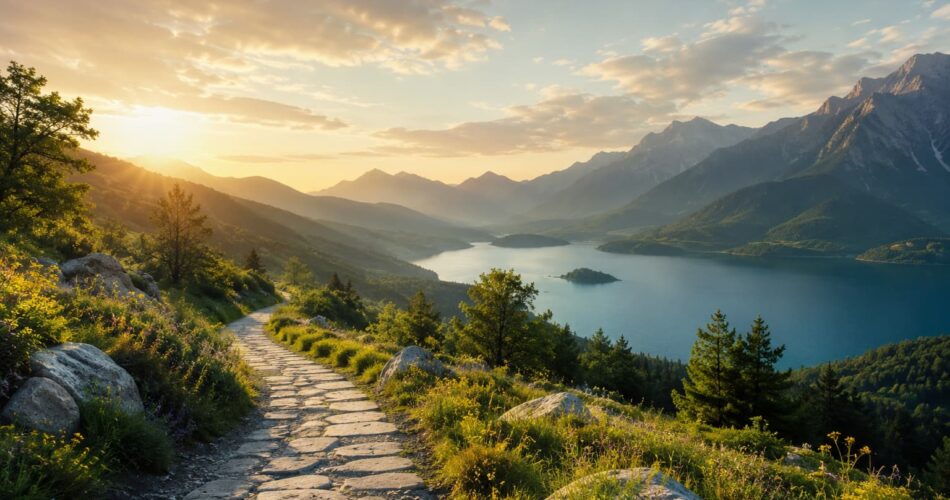
Nature-based travel is a powerful form of restorative travel. Forests, mountains, beaches, lakes, and quiet countryside settings can provide a welcome break from screens, traffic, noise, and demanding routines.
This connects naturally with nature therapy and ecotherapy; spending time outdoors can support wellbeing, although it should not be treated as a substitute for professional mental healthcare.
Best for: mental overload, stress, constant distraction, and emotional fatigue.
Make it restorative: Walk slowly, spend time somewhere quiet, and resist turning every moment into a photo opportunity.
3. Book a Wellness Retreat for Deep Rest
A wellness retreat can work beautifully when you know you need rest but struggle to create it at home.
Depending on the retreat, you may find yoga, meditation, spa treatments, mindful movement, nutritious meals, nature walks, or peaceful surroundings.
Before booking, check the schedule, accommodation, group size, inclusions, cancellation policy, and amount of free time.
A retreat should restore you, not give you another exhausting timetable to follow.
Best for: structured rest, self-care, and stepping away from everyday responsibilities.
4. Try Slow Travel When You Are Burned Out
If your holiday involves changing hotels every night and racing between attractions, you may return home needing another holiday.
Slow travel takes the opposite approach; stay longer, visit fewer places, walk more, eat without rushing, and leave gaps in your schedule.
A seven-day trip does not need seven days of sightseeing.
Best for: burnout, decision fatigue, overstimulation, and anyone craving a slower rhythm.
5. Take a Coastal Escape When You Need Space
A beach getaway for relaxation can provide open horizons, fresh air, natural light, and plenty of unstructured time.
Choose a quieter coastal destination rather than one dominated by nightlife, crowds, or constant activities.
Look for comfortable accommodation, easy beach access, walkable surroundings, and enough restaurants and activities without creating a packed schedule.
Best for: emotional exhaustion, stress, and the need for physical and mental space.
6. Plan a Creative Retreat to Rediscover Yourself
A creative retreat can help when life has started feeling repetitive or emotionally flat.
Write, photograph, sketch, paint, read, cook, learn pottery, or simply keep a travel journal. The goal is not to produce something impressive; it is to become curious again.
Try asking yourself each evening:
“What did I notice today that I might have missed if I had stayed home?”
Best for: self-expression, inspiration, reflection, and reconnecting with interests you may have neglected.
7. Consider a Spiritual or Reflective Journey
For some people, emotional renewal involves spirituality, meditation, prayer, contemplation, or reconnecting with personal values.
A spiritual journey could mean visiting a meaningful place, joining a meditation retreat, spending time in nature, or simply creating several quiet days away from your normal routine.
You do not need to follow a particular religious tradition for reflective travel to be meaningful.
Best for: perspective, reflection, meaning, and personal renewal.
8. Take a Digital Detox Trip
Sometimes you do not need a break from your destination; you need a break from your phone.
A digital detox vacation can reduce the constant stream of notifications, social media, emails, and online comparison.
You do not have to switch your phone off completely. Try disabling non-essential notifications, checking messages at set times, keeping your phone away during meals, and avoiding social media during walks.
Best for: digital overload, poor boundaries, distraction, and mental clutter.
9. Join a Small-Group or Women-Only Retreat
Not everyone heals through solitude.
A women-only retreat or thoughtfully organised small-group trip can provide connection without requiring you to plan everything yourself.
Look for smaller groups, transparent pricing, comfortable accommodation, a balanced itinerary, experienced organisers, and plenty of personal downtime.
You do not need to make lifelong friends. Sometimes sharing a new experience with people you have just met is enough to remind you that new connections are still possible.
Best for: loneliness, isolation, and anyone who wants companionship without a traditional group tour.
How to Choose the Right Healing Trip
Start with one question:
“What do I need more of right now?”
| What you need | Consider |
| Rest | Wellness retreat |
| Space | Solo or coastal escape |
| Nature | Forest, mountain, lake, or countryside trip |
| Connection | Small-group retreat |
| Perspective | Reflective or spiritual journey |
| Freedom | Solo travel |
| Creativity | Creative retreat |
| Less stimulation | Slow travel or digital detox |
Do not choose a destination simply because it is trending. Choose the travel experience that solves your current problem.
What Makes Travel Genuinely Restorative?
A restorative trip usually has four things:
Rest: Enough sleep and genuine downtime.
Space: Time to think, walk, read, journal, or simply be.
Comfort: Manageable transport, safe accommodation, nourishing food, and realistic pacing.
Choice: Freedom to decide how much or how little you want to do.
This is why an expensive luxury holiday can leave you exhausted while a simple three-day escape can feel surprisingly refreshing.
Healing travel is less about how much you spend and more about how intentionally you travel.
Get Your Free Emotional Reset Trip Planner
Not sure which type of trip you actually need?
Download the free Emotional Reset Trip Planner to identify what you need from your next getaway, choose the right type of healing trip, set your priorities, and create a simple three-day reset plan.
Before you book, ask yourself:
- What do I need more of right now?
- What do I want to leave behind?
- What do I want to return with?
- What are my three non-negotiables?
- How much rest do I want built into each day?
A few honest answers can help you plan a trip that feels restorative rather than simply busy.
Ready for a Reset? Choose the Trip That Fits You
The most meaningful trips for emotional healing are not necessarily the farthest, fanciest, or most expensive. They are the journeys that give you what you need; rest when depleted, nature when overwhelmed, solitude when you need perspective, and connection when you feel isolated. Travel cannot erase difficult emotions, but the right environment can create valuable space to breathe, reflect, and begin again.
When you are ready to turn the idea into a real journey, compare the complete cost, inclusions, accommodation, and cancellation terms.
FAQs
What is the best type of trip for emotional healing?
There is no single best option. Solo travel suits people seeking independence and reflection; nature trips offer quiet, wellness retreats provide structure, and slow travel reduces pressure.
Where should I go for an emotional reset?
Choose a destination that gives you what you currently lack. Consider peaceful beaches, mountains, forests, countryside locations, wellness retreats, or quiet cultural destinations.
Is solo travel good for emotional healing?
It can be. Solo travel provides control, privacy, and space for reflection. If being alone makes you feel more isolated, a small-group or women-only retreat may be a better choice.
How long should a healing trip be?
There is no magic number. Even a two- or three-day break can interrupt a stressful routine. Longer trips can provide deeper rest if they remain financially and logistically manageable.
Can travel help after heartbreak?
Travel cannot remove grief, but a carefully planned solo healing trip can provide distance from familiar routines, personal space, and opportunities to reconnect with yourself.
Is a wellness retreat better than a solo trip?
Neither is automatically better. Choose a retreat if you want structure and organised wellbeing activities; choose solo travel if you value independence, privacy, and flexibility.